
Asst. Prof. Dr. Israa Naser Ghulam
College of Education for Pure Sciences – Department of biology
Although invertebrates may not receive enough attention compared to mammals or birds, they are the cornerstone of the balance and sustainability of life on planet Earth. This is due to the crucial role these organisms play in engineering, building, and even maintaining ecosystems. This is what we call nature’s “silent engineers.” These organisms alter or modify the physical environment around us in ways that affect, regulate, and improve other species. Examples include ants, clams, some types of worms, and coral reefs. earthworms, ants, and termites break down and aerate the soil, allowing water, air, and nutrients to reach plant roots, which positively impacts soil quality and thus increases agricultural productivity in a natural and sustainable manner. Also, coral reefs and their colonial way of life .
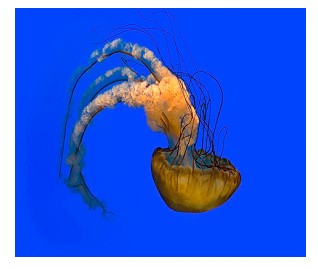
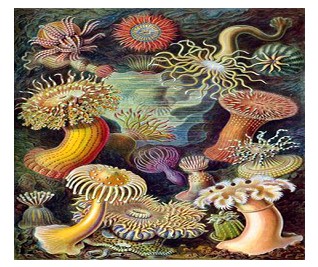
which creates rich marine environments that are a refuge for thousands of different animal species such as birds and fish They provide the building blocks for fine biological structures by secreting calcareous or siliceous structures that deposit materials on the seabed or in fresh water. These structures provide solid centers as stable bases for the growth of algae or even other aquatic animals and represent the nucleus of an environment and its gradual construction and here they have created ecosystems. It is not far from insects and the way they build their habitats in a way that affects the ecosystem and what is around them, as in the case of ants and bees and the architectural style of building their colonies. Some invertebrates also work as decomposers in the environment by analyzing and breaking down other organisms and decomposing their tissues through insects or worms, and thus contribute to recycling some materials and elements back to their nature and environment. There, the pinnacle of meanings of environmental sustainability is represented when some invertebrates contribute to maintaining the carbon and nitrogen cycle in the Earth.
Not only that, but invertebrates were used in biological control and thus the harm is the best choice to get rid of pesticides and chemical accumulations, and all of this results in a clean, pollutant-free and sustainable environment One of the phenomena and factors that invertebrates contribute to accelerating is the phenomenon of repopulating deteriorated ecosystems (ecological succession). For example, invertebrates are the first to colonize the site in environments damaged by fires, creating the appropriate conditions for the formation of a new ecosystem, which allows for the growth of subsequent organisms (plants, fungi, and even other animals). However, despite all of the above-mentioned sustainable qualities and benefits and the vital role played by invertebrates, they are not small creatures living in the shade, but rather essential pillars of a sustainable life system. However, this segment of Animals that represent 97% of the total number of animals on this planet are suffering from a continuous decline in their numbers, sometimes due to climate change and other times due to human expansion and economic activities. This in turn poses a direct and noticeable threat to our ecosystems and their sustainability. Therefore, it is important that we preserve such living organisms and their biodiversity and that they be among our environmental priorities for the future.
This link includes a simple introduction to invisible pillar of life’s sustainability.
https://youtube.com/shorts/MYAHNDQGcxs?si=Dj67cyy5C61YeO5l
References:
[1]https://www.marefa.org/%D8%A7%D9%84%D9%84%D8%A7%D9%81%D9%82%D8%A7%D8%B1%D9%8A%D8%A7%D8%AA_%D8%A7%D9%84%D8%A8%D8%AD%D8%B1%D9%8A%D8%A9
[ 2] Jones, C. G., Lawton, J. H., & Shachak, M. (1994). Organisms as ecosystem engineers. Oikos.
[3] FAO (2020). Soil Biodiversity: Nature’s solution to sustainable agriculture and climate change.
[4] IPBES (2019). Global Assessment Report on Biodiversity and Ecosystem Services.
[5] WWF (2022). The Invisible Architects: Invertebrates and Ecosystem Health.