
Assist.prof. Ban Abdul-hussien Mohahmmed
College of Education for Pure Sciences
Introduction
Plants play an essential role in sustaining life on Earth. They contribute to food security, climate regulation, biodiversity, and human well-being. In the context of the United Nations’ 17 Sustainable Development Goals (SDGs), plants are critical agents in achieving several of these goals. This article explores how plants directly support at least four major SDGs: Zero Hunger (Goal 2), Climate Action (Goal 13), Life on Land (Goal 15), and Responsible Consumption and Production (Goal 12). By examining the multiple roles plants play in sustainable development, we can better appreciate their significance in shaping a greener future.
Plants and Zero Hunger (SDG 2):
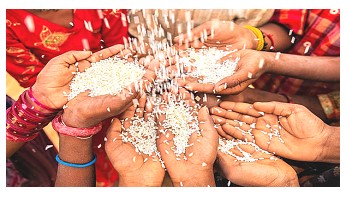
Food security is one of the most pressing global challenges. Plants provide over 80% of the human diet, and crop diversity is key to resilient food systems. Sustainable agriculture, supported by traditional and modern botanical knowledge, helps increase productivity while preserving the environment. Moreover, improving access to plant-based foods can reduce malnutrition and hunger in vulnerable communities (FAO, 2023). Agricultural research on drought-tolerant crops and improved seed varieties also empowers small-scale farmers and boosts long-term food stability.
Plants and Climate Action (SDG 13):
Plants act as carbon sinks by absorbing carbon dioxide through photosynthesis, thereby mitigating the effects of climate change. Forests, grasslands, and wetlands store vast amounts of carbon. Additionally, urban green spaces help lower city temperatures and improve air quality. Promoting reforestation, afforestation, and conservation of native plant species are essential strategies for climate resilience (IPCC, 2021). Community-led initiatives such as tree planting campaigns and protecting indigenous forest systems are crucial in the global fight against climate change.
Plants and Life on Land (SDG 15):
Healthy terrestrial ecosystems depend on diverse plant life. Plants prevent soil erosion, maintain hydrological cycles, and provide habitats for countless species. Biodiversity hotspots, such as tropical rainforests, are dominated by plant life that sustains both wildlife and human livelihoods. Protecting plant species from extinction is critical to preserving ecosystem services and maintaining genetic resources for future generations (UN, 2015). Governments and NGOs are encouraged to support botanical gardens, seed banks, and community-based conservation programs.
Plants and Responsible Consumption and Production (SDG 12):
Sustainable use of plant resources promotes responsible consumption. Many industries, including pharmaceuticals, textiles, and cosmetics, rely on plant-derived materials. Encouraging eco-friendly farming practices, reducing food waste, and promoting the use of biodegradable plant products are all ways to make production systems more sustainable (BGCI, 2022). Consumers can also contribute by supporting organic agriculture, buying local, and choosing plant-based alternatives that have a lower environmental footprint.
Conclusion:
Plants are at the heart of sustainable development. Their contributions to food, climate regulation, biodiversity, and responsible production underline the necessity of integrating plant conservation into global development strategies. Achieving the SDGs requires a multidisciplinary approach, and plants must be recognized as fundamental allies in building a more equitable and sustainable world. Investing in plant research, conservation, and education can empower future generations to meet global challenges with resilience and innovation.
Video Resource
To better understand the connection between plants and the SDGs, watch this short informative video:
How Plants Can Help Achieve the Sustainable Development Goals:
https://www.youtube.com/watch?v=tSeEaZWDcG8
https://www.youtube.com/watch?v=LvKnwwtbVto
References
⦁ FAO. (2023). The State of Food and Agriculture. Food and Agriculture Organization of the United Nations.
⦁ UN. (2015). Transforming our world: the 2030 Agenda for Sustainable Development. United Nations.
⦁ IPCC. (2021). Climate Change and Land. Intergovernmental Panel on Climate Change.
⦁ BGCI. (2022). Plants and the Sustainable Development Goals. Botanic Gardens Conservation International.